
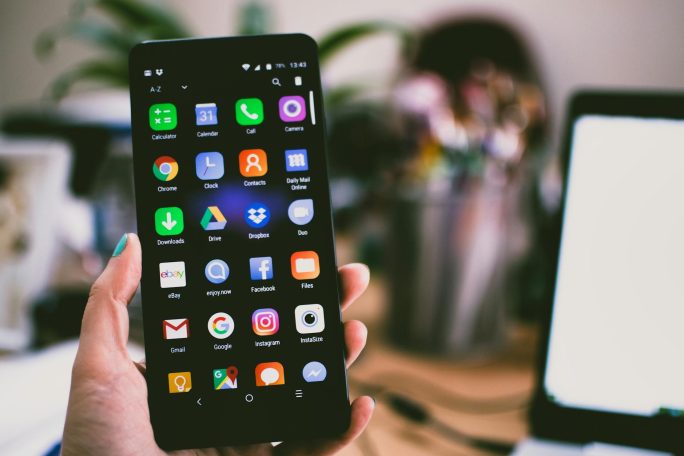
We often glance at our weekly screen time report and think, “Another few hours lost to scrolling…” A small sigh, maybe a quiet promise to do better next week. But what if those numbers were more than just a reminder of time wasted? What if they weren’t just about distraction or habit? And what if your screen time was quietly pointing to something deeper like your moods, patterns, or unmet needs?
There’s nothing wrong with wanting a digital detox. But lasting change doesn’t start with deleting apps or setting screen timers. It begins with noticing and gradually, with understanding what’s really happening beneath the scroll. Because your digital habits aren’t random; they’re revealing. They tell a story. And if you look closely, they might be telling your story.
Your Scroll is a Compass
Think about the first app you open when you’re bored, anxious, or waiting in line. Is it Instagram? News? LinkedIn? or YouTube? Now the scroll might be instinctive, but it’s not random; it’s a signal. Your finger knows the way, even before your mind can catch up. Because what we reach for, often reflects what we need in that moment.
- LinkedIn/Twitter? Perhaps you’re seeking validation, inspiration, or even proof that you’re not falling behind.
- Doom Scrolling the news? You might be trying to feel more prepared or less anxious.
- Instagram/YouTube? A quick escape, a bit of joy or simply something to fill the silence.
- Gaming? A space to win, feel in control, or reclaim a sense of mastery that’s missing elsewhere.
- Podcasts? Maybe you want to stay informed or perhaps, avoid being alone with your thoughts.
- Productivity tools and trackers? It’s not always about getting more done; sometimes, it’s just about feeling useful.
We don’t scroll because we’re lazy. We scroll because something inside us is steering. Your scroll is indeed a compass, it points to what’s missing or what’s hurting. And sometimes, it’s simply pointing toward silence you’re not ready to sit with. So, what is it in your case?
When you Use your Phone Matters
It’s not just what you do online, it’s when you do it. Your screen time has a rhythm. And often, it matches your moods more than your to-do list. So pay attention to the timestamps, for instance, the quiet scroll at 11 p.m., the mid-morning refresh, the 3 p.m. slump. Because they aren’t just habits. They’re tells.
- Late-night scrolling? Perhaps, your mind is too full to rest, or your emotions are still unprocessed. Or maybe you’re feeling lonely, anxious, or just avoiding the day’s leftovers.
- First thing in the morning? Grabbing your phone right after waking could mean that you’re looking for control. On the contrary it could also mean that you’re delaying the day ahead.
- Afternoon scroll breaks? That “just for five minutes” scroll at 2:30 p.m. could be your brain asking for a break – from boredom or emotional fatigue.
- Weekend spikes? Hours online on weekends might not mean you’re relaxing; instead, it could be a quiet sign that real-life rest isn’t really working.
So before setting a screen limit, pause and think: When during the day do I scroll most, and what might I be feeling then?
Digital Clutter = Mental Clutter
What stays open on your screen often reflects what’s still open in your mind. Those 14 browser tabs, three to-do list apps, half-read articles, and reminders snoozed for the third time. These habits aren’t just digital, but they are emotional as well. Every open tab represents a decision not yet made. That untouched Google Doc could be a project that you’re avoiding. Even the untouched meditation app quietly whispers, “You should be doing better.” It all sits there, demanding nothing but draining something.
We often keep things open because closing them feels like letting go, admitting the reality that our energy doesn’t match our intentions. And sometimes, having all those things “on standby” gives the illusion of control, even if it’s exhausting.
So the next time your screen feels crowded, ask yourself: What am I really holding onto and why?

Neuroscience Behind Digital Cravings
Why can’t you stop scrolling? It’s not like your brain is broken. In fact, it’s working exactly as nature designed it, to seek rewards, avoid discomfort, and repeat whatever feels good. And in our digital world, that “feel good” comes fast and often. Every like, comment, or new post gives your brain a quick hit of dopamine – the happy hormone. And over time, your brain starts chasing those tiny highs. Not because they’re deeply satisfying, but because they’re easy and immediate.
What keeps us hooked isn’t just the reward; it’s the unpredictability. You don’t know what the next post will be, and that’s exactly what keeps you looking. But here’s the thing, we don’t always scroll for joy. More often, we scroll to escape, ease anxiety, or distract ourselves from silence. But the truth is, the screen doesn’t fix what we’re feeling. It just gives us something else to feel instead.
So the next time you feel the urge to reach for your phone, ask yourself: What am I really feeling and what am I trying not to feel?
Turn Screen Time Into Self-Reflection
You don’t need to delete every app or escape to the mountains. The first step isn’t control but curiosity. Instead of fighting your habits, try studying them. Notice what pulls you in, when, and why. Because that’s the key to bring the change. Once you understand the reason behind a behaviour, the rest follows easily.
Name the Urge
That moment you reach for your phone—pause. What are you really feeling? Is it boredom after a long task? Restless while waiting in line? Maybe feeling left out at a family gathering? Noticing the emotion behind the scroll can help you understand what you actually need. Sometimes, it’s not the screen, it’s the feeling underneath.
Naming the urge creates enough space between you and your habit. And turns mindless scrolling into a mindful check.
Create Friction
Our phones are designed for ease. One swipe and you’re in. So try adding a little resistance. Move tempting apps off your home screen. Log out of apps you open automatically. And most importantly, turn off the endless notifications.
Friction isn’t punishment. It’s just a speed bump that slows the process, giving your brain time to think, “Do I really want this right now?”
Swap, Don’t Stop
You don’t have to quit suddenly and completely. Instead, try meeting the same emotional need with a different response. Feeling foggy? Journal for five minutes. Craving comfort? Step outside and feel the air on your skin. Can’t step out? Make yourself tea and stir it slowly. Remember, it’s not a task but a pause.
It’s not about denying yourself but diversifying how you soothe, rest, or reset.
Let Yourself Feel Bored
Not every empty moment needs filling. Try sitting with boredom just for a bit. Let your mind wander. Stare out the window. Notice the itch to “do something” and breathe through it. Boredom often hides emotions that haven’t surfaced yet. Sadness, fatigue, or even a quiet idea waiting to show up. If you always rush to fill the gap, you might miss what’s really going on inside.
Let boredom speak before you scroll past it.
End One Day a Week Screen-Light
Pick one evening a week where your phone stays in the other room. Not because you’re being “disciplined,” but because you’re offering your brain something it rarely gets: stillness. Eat dinner without scrolling, go for a walk without podcasts, or just lie down in silence.
Let your senses catch up. Let your thoughts wander. And let your nervous system exhale.
Redesign Your Digital Space
You can delete apps, set screen timers, or even do a 7-day detox. But if you don’t understand why you reach for your screen in the first place, the patterns return. True change starts with awareness. Digital detox doesn’t begin with restriction; it begins with reflection. If the urge to check your phone comes from boredom, loneliness, stress, or self-doubt, no app blocker will fix it. Not for long, at least. That’s why any attempt to “cut down” has to be paired with curiosity. Ask: What am I using this app for? What does it give me in the moment? And is there another way to meet that need?
Once you begin to understand your why, you can start to redesign the digital space around you. Not for control but for clarity.
A few shifts you can try:
- Reorder your home screen so the first thing you see isn’t the thing you’re trying to resist.
- Move your most-used apps into a folder and label it something mindful, like “Pause” or “Choose”.
- Use visual reminders, like a wallpaper that says, “What do I need right now?”
- Turn off non-essential notifications. Fewer pings mean fewer invisible pulls on your attention.
Your screen time isn’t the enemy. It’s a mirror. One that quietly reflects your patterns, your pain points, your needs – met and unmet. So the next time you feel the urge to change your digital habits, ask yourself: What am I really trying to fix? My screen, or my story?
"Until you make the unconscious conscious, it will direct your life and you will call it fate." - Carl Jung