
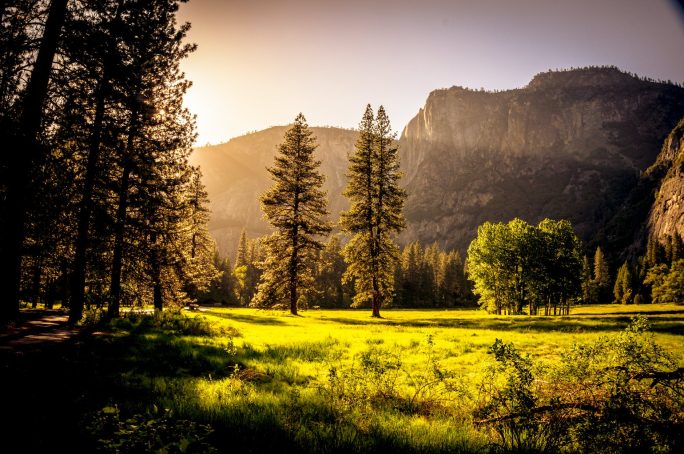
"And into the forest I go, to lose my mind and find my soul" - John Muir
Shinrin-yoku (shinrin – “forest” + yoku – “bathing”), translated as Forest-Bathing; an idea originated in Japan, is a relaxation practice where you spend your time in a natural atmosphere, focusing all your senses to connect with nature. While it’s not just a simple walk in the woods, it’s a conscious practice of taking in the forest atmosphere through all your senses.
It’s a complete sensory experience which does not involve any hiking, climbing or running in forest. Instead, it’s a slow and aimless walk in the woods where you are basically going nowhere.
How to Practice: Engage your Five Senses
To start with, find a safe nature place near you. Second and the most important, leave your phone and camera behind. Because this moment doesn’t need to be captured and listening to loud music during forest bath is not recommended. It’s the time when you truly use all of your five senses to savour the sight, smell and sound of the trees. It’s the time to let the nature enter through your senses.
- Sight – Looking around mindfully and observing the green surrounding.
- Sound – Listening to the sound of rustling leaves and birds.
- Smell – Noticing the smell of flowers and trees while walking.
- Touch – Holding a flower in hand.
- Taste – Tasting the flavour of crisp air through the air you breathe in.
Forest bathing is an experience that calls for a different mindset. Indeed, it’s a slow meditative experience which is done at your own pace. You may choose to walk around or simply sit comfortably at you favorite spot. What’s important is to be in the present moment and keep your mind of other thoughts. Further, there shouldn’t be a rush through this activity to get back to work. Instead, you need to slow down. You need to think less and feel more.
Bring Nature Indoor
Well, not everyone has an easy access to a forest or a nature park. But that’s all right. Because they can practice this sense based therapy in the comfort of their home as well. All that needs to be done is to bring the nature indoors.
Welcome plants – Plants are not just the natural air purifier. But they also have a calming effect on our mind. Their presence alone is pleasant and refreshing. Furthermore, they connect us to nature and gives us some peaceful time with ourselves. So, if you don’t have the privilege to go out for a nature walk, you should bring the nature inside your space.
Add water element – Sound of flowing water brings us in meditative state. No wonder many meditative musics are nothing but simple sounds of flowing water. So add a water element in your home in the form of a water fountain. There are lots of options available based on the space you have. You just have to spot a peaceful corner of your home and place a fountain and a few plants there. Hence, you can create your own forest inside your living space.
Decor with nature – How about decorating your space with photographs of nature! From beautiful landscape to lush green gardens, scenic waterfalls to serene beaches; choices are unlimited. In fact, you can create a variety of landscape in every room and add every element of nature in your home.
Use nature scent – Like other element the smell of forest can also be a part of your lining space. Scented diffuser, candles or fragrant flowers; forest can take any form in closed spaces.

How it Helps: Benefits of Forest Bathing
Forest bathing is a form of mediation which involved mindfulness. Like meditation, it also heals our mind and body.
Mindfulness
Most obvious benefit of forest bathing is that, it enhances your mindfulness experience. As it helps you awaken all you sense and bring your focus to here and now. Thus turning you away from ongoing issues, distractions and worries. Additionally, this simple act of noticing your surrounding mindfully silences the noises of the mind and clears the brain fog.
Physical Well-being
Plants and trees emit a organic compound called phytoncide to defend against decay and herbivores. When we breathe in forest air our body responds by increasing natural killer cells in our body. Which in turn enhance your immune system. Also, phytoncide improves sleep, enhance mood and reduce blood glucose level.
Emotional Well-being
Spending quiet time in nature gives you a chance to look inside and understand your true emotions. Thus being aware of your emotions helps you handle them thoughtfully. Staying with nature for a few minutes is like taking a pause from your hectic urban life. It’s a pause between your feelings and actions. And this pause is an emotional regulator that can help you calm down your overwhelming feelings.
Mental Well-being
Green ia a cool colour and such colors are relaxing and refreshing. That’s why sight of greenery calm our nerves. Spending time with nature helps us combat stress and anxiety. Nature has healing power and pleasant effect. Our mind likes being in nature, that’s why connecting with nature in any form is essential for our mental well-being.
Spiritual Well-being
Spending time with nature deepens our connection with the universe. Nature is wild, it’s raw and pure. Trees are the best gift given to us by mother nature. Trees are ‘givers‘ in every form, even after they die. They always give much more than they take. Their existence is permanent; it’s meaningful. They teach us to live a life with purpose. They offer us a sense of connection with something greater than ourselves.
We humans are evolved from nature. No matter how advanced we are in technology, nature is and has always been an integral part of our very existence.
" In a world of constant change and streaming technology. I find solace in a forest where a tree remains a tree" - Angie Weiland-Crosby
One response to “Forest Bathing: Nature’s Gift For A Better Well-Being”
[…] up that whole space. Plants are the bridge that brings us close to the nature. And nature is our escape route from stress and anxiety. No wonder we look forward to holidaying in nature whenever work loads up. […]