
Tag: featured
-
Raising Independent Children: You Don’t Always Need To Be Helpful

Learn why raising independent children means knowing when to step back and how to help them build confidence, solve problems, and make their own decisions.
-
Mindful Eating: How to Be Present While You Eat

Discover how mindful eating helps you slow down, enjoy your meals, and reconnect with your body’s hunger and fullness signals through simple everyday habits.
-
Raising Resilient Children: Why You Need To Stop Overpraising

Learn why raising resilient children means avoiding overpraising. Discover how excessive praise can create pressure to succeed and fear of failure.
-
How To Handle Uncertainty: Learn To Be Okay With It

Learn how to handle uncertainty without constantly seeking answers or reassurance. Discover practical ways to accept the unknown and find peace with not knowing.
-
Big Emotions In Children: Simple Habits You Need To Teach
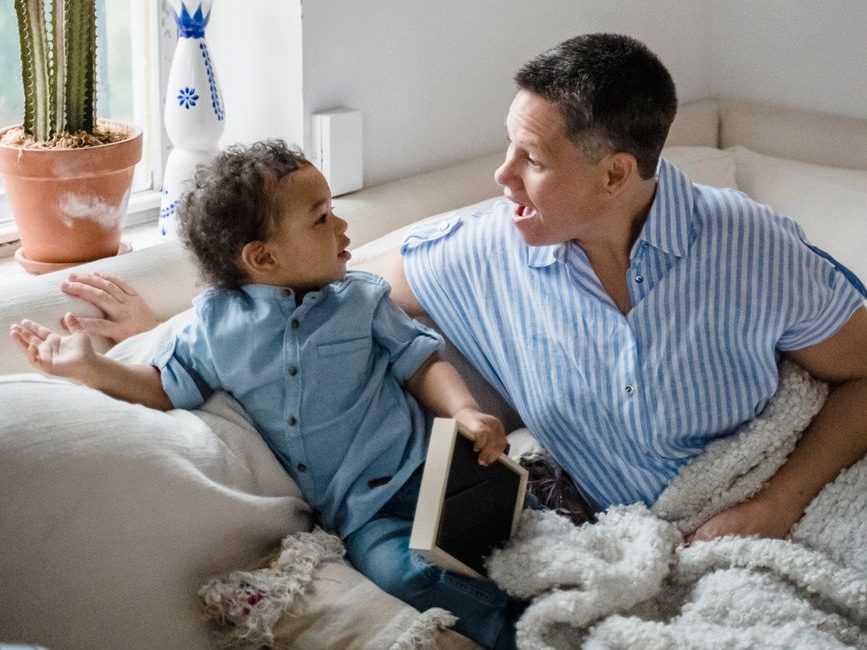
Discover simple daily habits that help manage big emotions in children. Learn how to teach kids to understand, express, and regulate their feelings.
-
Why We Build Emotional Barriers Around The People We Love

Discover why we build emotional barriers around the people we love, how they affect our relationships, and ways to become more open and connected.
-
Parenting Mistakes: How to Make Things Right With Your Child

Parenting mistakes happen. Learn how to apologize, reconnect with your child, and rebuild trust through understanding and meaningful actions.
-
Mindful Walking: How To Be Mindful While You Walk

Discover mindful walking and learn how to turn an everyday walk into a simple mindfulness practice by noticing your body, steps, and surroundings.
-
How To Get Kids To Listen: Make Connection First

How to get kids to listen without constant reminders? Discover why connecting with your child first can make listening and cooperation easier.
-
Mindful Parenting: How To Be Present When It Matters Most

Discover how mindful parenting helps you stay present during difficult moments, understand your child’s behaviour, and respond instead of reacting.