
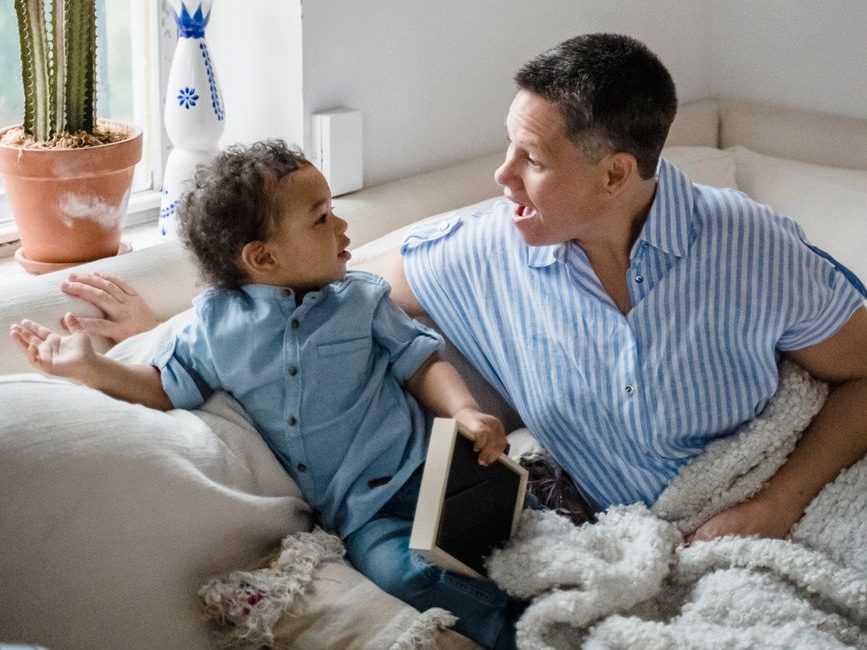
We often expect children to act calmly and think before reacting, or to tell us what’s bothering them. But do we actually teach them how to do these things? When it comes to big emotions in children, we often focus on how they should behave rather than helping them learn how to manage what they’re feeling.
After all, knowing that you shouldn’t shout when you’re angry is very different from being able to control your reaction when you’re upset. Even adults struggle with that sometimes.
And that’s why teaching children to manage their emotions shouldn’t be limited to difficult moments. Small, everyday habits can help them develop these skills over time.
Managing Big Emotions in Children Takes Practice
Children don’t automatically know how to handle frustration, disappointment, or anger. These are skills they gradually learn as they grow, with guidance and plenty of practice.
Think about a child who knows they should take turns while playing. They may understand the rule perfectly well, but when it’s time to hand over their favorite toy, they might still get upset.
Knowing what to do doesn’t always mean they’re able to do it when their emotions take over.
The same is true for managing big emotions in children. We can remind them to stay calm or use their words, but they need opportunities to practice these skills before they can use them during difficult moments.
And that’s where small, everyday habits can make a difference.
Simple Daily Habits to Help Children Manage Big Emotions
Teaching children to manage their emotions doesn’t always require special activities or long conversations. Often, it’s the small things we do consistently that help them develop these skills.
Here are a few simple habits you can introduce into your child’s everyday life.
Make Talking About Feelings a Daily Conversation
We often ask children about their day, what they learned at school, or whether they’ve finished their homework. But how often do we ask how they felt about something?
Try making feelings a natural part of your everyday conversations.
For example, instead of simply asking, “How was school?” you could ask, “What made you happy today?” or “Was there anything that upset you?”
You can also share your own experiences. “I felt really happy when I finished something I’d been working on,” or “I was disappointed when my plans got cancelled.”
These conversations help children become more comfortable recognizing and talking about their emotions. And when difficult feelings come up, expressing them may feel a little easier.
Help Children Notice How Emotions Feel in Their Bodies
Emotions don’t just affect how we think. They can also change how our bodies feel.
For example, a child might notice their heart beating faster when they’re nervous, their fists tightening when they’re angry, or their stomach feeling uncomfortable when they’re worried.
You can help your child recognize these signals by gently asking questions.
“When you were getting angry earlier, did you notice anything happening in your body?”
Or you might say, “Sometimes when I’m nervous, my stomach feels funny. Does that happen to you too?”
Over time, children can begin connecting these physical sensations with their emotions.
This can be especially helpful because recognizing the early signs of frustration or anger gives them a chance to use a calming strategy before those feelings become overwhelming.
Practice Calming Techniques When Everyone Is Calm
We often introduce calming techniques when children are already upset. We ask them to take deep breaths, count to ten, or sit quietly for a few minutes.
But when a child is overwhelmed, learning something new can be difficult.
Instead, try practicing these techniques during ordinary, relaxed moments.
You could spend a minute taking slow breaths together before bedtime. Practice stretching after school, or introduce a simple exercise where your child slowly breathes in and out while pretending to smell a flower and blow out a candle.
You can also help your child discover what works best for them. Some children feel better after moving around, while others prefer listening to music, drawing, or spending a little time alone.
The idea is to make these calming habits familiar so that children have something to turn to when big emotions arise.

Let Children See How You Handle Your Own Emotions
Children learn a great deal by watching how we respond to everyday situations.
Imagine you’re running late, and you can’t find your car keys. You feel frustrated, but instead of getting angry, you say, “I’m getting a little stressed. Let me slow down and think about where I last kept them.”
Or perhaps you’ve had a difficult day. You might tell your child, “I’m feeling tired and irritated right now. I’m going to rest for a few minutes before we talk.”
These small moments show children that feeling frustrated, angry, or overwhelmed is something everyone experiences.
More importantly, they get to see what managing those feelings looks like in real life.
Of course, we won’t always handle our emotions perfectly. And that’s okay. Even acknowledging that we overreacted and explaining what we could have done differently can teach children something valuable.
Teach Children to Express What They Need
Sometimes, children become upset because they don’t know how to explain what they want or need.
A child might get angry when a sibling keeps interrupting their game. Another might become frustrated with homework but refuse to ask for help.
Instead of focusing only on their reaction, help them find words to express what they need.
For example, you could encourage them to say:
- “I need some quiet time.”
- “Can you help me with this?”
- “I don’t like it when you interrupt me.”
- “I’m upset, and I don’t feel like talking right now.”
You can practice these expressions during calm moments through everyday conversations or simple role-playing.
The more comfortable children become expressing their needs, the easier it may be for them to communicate when something is bothering them.
Encourage Problem-Solving After Difficult Moments
When children are upset, our first instinct is often to explain what went wrong or tell them what they should have done differently.
But these conversations are usually more helpful once everyone has calmed down.
Suppose your child became angry because a friend wouldn’t share a toy. Later, when they’re feeling better, you could ask, “What do you think you could try next time something like that happens?”
Give them time to think. They might suggest asking politely, choosing another toy, or finding something they can play with together.
If they’re struggling to come up with ideas, you can offer a few possibilities and discuss them together.
The goal isn’t to make children feel bad about how they reacted. It’s to help them understand that even when they can’t control what happens, they can learn different ways to respond.
Over time, this habit can help children become more confident in handling frustrating situations.
Make Room for Small Disappointments
As parents, we naturally want to protect our children from feeling upset or disappointed.
If they lose a game, we might let them win the next round. If their favorite snack isn’t available, we may rush to find something else. And when plans change unexpectedly, we might try everything possible to prevent them from getting upset.
But small disappointments are also opportunities for children to practice managing difficult feelings.
For example, if your child is upset about losing a board game, you can acknowledge their disappointment without changing the outcome.
“I know you really wanted to win. It’s disappointing when things don’t go our way.”
You don’t have to immediately cheer them up or convince them that losing doesn’t matter.
Instead, give them a little time to experience the feeling, offer comfort if they need it, and let them discover that disappointment is something they can get through.
Helping children manage big emotions isn’t about making every difficult feeling disappear. It’s about giving them the confidence and skills to handle those feelings when they arise.

What to Remember When Teaching Children to Handle Big Emotions
Even when children understand how to manage their feelings, they won’t always be able to put what they’ve learned into practice.
Your child might know that taking deep breaths helps when they’re angry, yet still end up shouting during an argument. Or they may be able to explain their feelings perfectly well one day but struggle to find the words the next.
And that’s perfectly normal. Learning to manage emotions isn’t always a steady process. Some days, children will handle difficult situations well. On other days, they may need more patience, guidance, and support.
It’s also important to keep your child’s age and abilities in mind. A five-year-old will need more help managing frustration than a twelve-year-old. Even children of the same age may develop these skills at different rates.
Rather than expecting children to respond calmly every time, pay attention to the small signs of progress. Perhaps your child asks for help instead of giving up, tells you they’re upset instead of walking away, or remembers to take a break after becoming frustrated.
These little changes matter. They show that your child is gradually learning to understand and manage their emotions, even if they still struggle sometimes.
Managing big emotions in children is a skill that develops through everyday experiences. With small, consistent habits and a little guidance from us, children can gradually learn to understand their feelings, express their needs, and handle their emotions.
“When little people are overwhelmed by big emotions, it’s our job to share our calm, not join their chaos.” – L. R. Knost